Devilman Crybaby – Beauty in the Apocalypse
When Devilman Crybaby dropped on Netflix in 2018, it didn’t just shock the anime world — it scarred it. Directed by Masaaki Yuasa and based on Go Nagai’s 1972 manga Devilman, this ten-episode adaptation is a brutal, emotionally charged descent into chaos, love, and human nature’s darkest corners. It’s not for everyone, but for those who can stomach it, Devilman Crybaby is one of the most haunting and unforgettable anime experiences ever created.
The Story: A Tragedy Written in Blood
At its heart, Devilman Crybaby tells the story of Akira Fudo, a kind and emotional teenager who reunites with his mysterious childhood friend Ryo Asuka. Ryo drags him into an underground party that quickly turns into a demonic massacre, where Akira fuses with a powerful demon named Amon — becoming the “Devilman,” a being with a demon’s strength and a human’s heart.
What follows is a downward spiral of humanity’s collapse as paranoia, lust, and violence consume society. The series begins like a fever dream but ends like an apocalypse — one that’s as philosophical as it is horrifying.
Why It’s One of the Most Disturbing Anime Ever Made
- Unflinching Brutality – Crybaby doesn’t hold back. The violence is shocking not just in gore but in emotional cruelty. Innocent people die in graphic, senseless ways. Even major characters aren’t spared — and their deaths are often disturbingly poetic.
- Sexual Imagery and Symbolism – Yuasa uses sex and nudity not for titillation but as a disturbing reflection of primal instinct and moral decay. The scenes are abstract, fluid, and often uncomfortable — intentionally blurring the line between desire and destruction.
- Psychological Collapse – The real horror isn’t the demons; it’s what happens when humans turn on each other. The show masterfully captures the panic and cruelty that emerge when fear takes control — showing that the real monsters aren’t supernatural at all.
- Existential Themes – By the end, Devilman Crybaby strips everything — religion, morality, love — down to raw emotion. It’s an apocalypse of the soul, where every beautiful thing gets devoured by despair. The final episode is one of the most emotionally devastating endings in anime history.
Why You Should Watch It
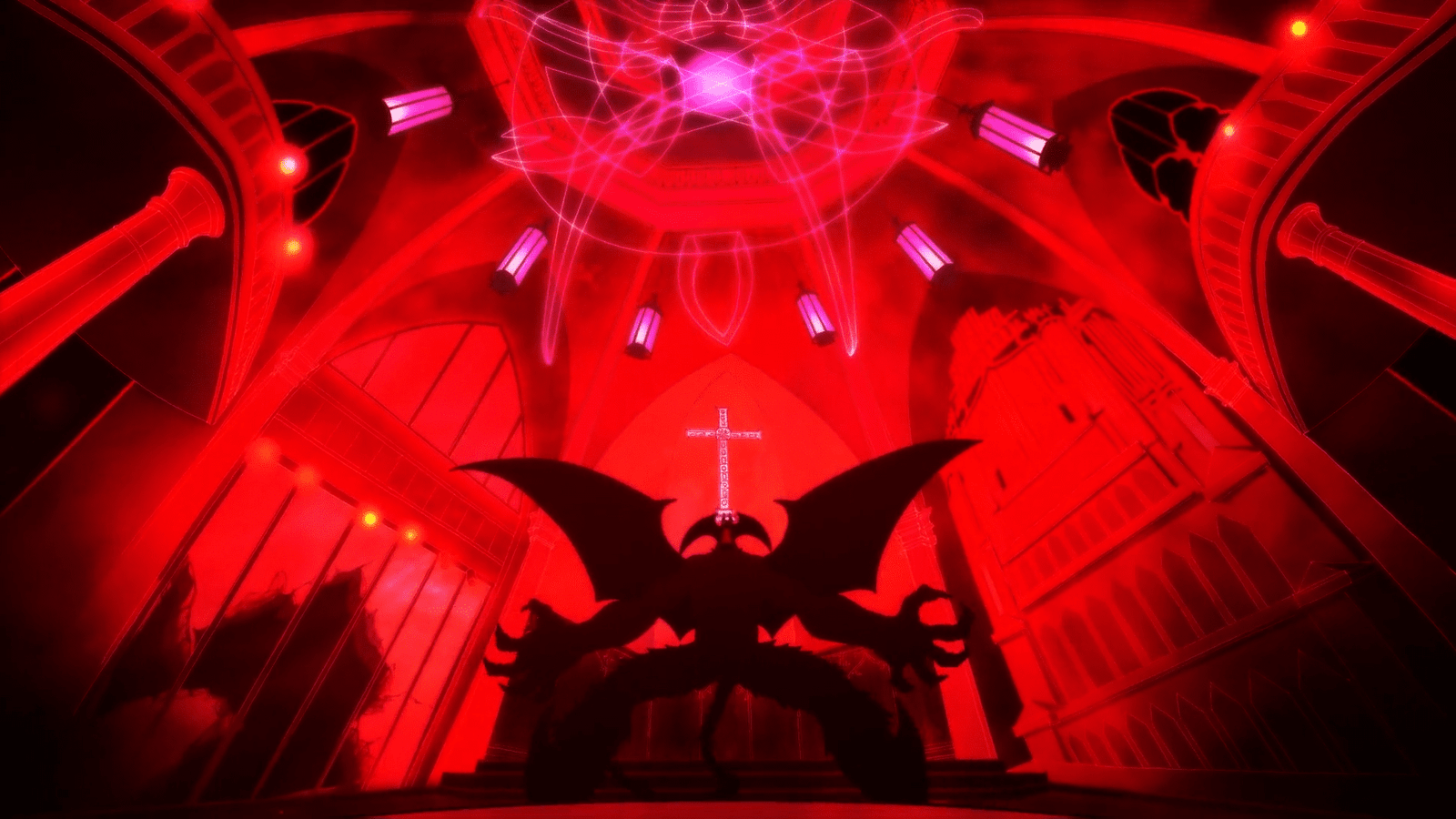
- A Visual Masterpiece: Yuasa’s unique animation style — all elastic movement, surreal color palettes, and abstract shapes — creates a world that feels more like a nightmare painting than a typical anime.
- Deep Emotional Core: Beneath all the chaos, Crybaby is about empathy and love. Akira’s humanity is both his strength and his curse, and the bond between him and Ryo is one of the most tragic relationships in anime.
- Bold and Uncompromising Storytelling: Few anime dare to push boundaries like this. It’s a work of art that forces you to feel, even if it hurts.
- Powerful Soundtrack: The music, from electronic beats to haunting hymns, gives the show a hypnotic rhythm — especially that eerie theme song “Devilman no Uta.”
Why You Shouldn’t Watch It
- Extremely Graphic Content: The violence, sexual imagery, and disturbing visuals are intense. This isn’t a casual watch — it’s deliberately unsettling and emotionally heavy.
- Emotional Devastation: The show doesn’t end with comfort or hope. It breaks you. If you’re looking for a feel-good or even a balanced story, this isn’t it.
- Pacing and Symbolism: The fast pacing and surreal metaphors can feel overwhelming or confusing, especially if you’re used to more grounded storytelling.
Final Verdict: The Apocalypse Worth Witnessing
Devilman Crybaby isn’t for everyone — it’s grotesque, heart-wrenching, and nihilistic. But it’s also an extraordinary piece of art that dares to look directly into the darkness of human nature and ask, “Can love survive here?”
For those brave enough to endure its chaos, it’s a masterpiece of emotional storytelling and visual innovation — a series that will haunt you long after it ends. For others, it’s a nightmare best left untouched.
Score: 8.5/10 – A devastating, haunting and beautiful catastrophe.
Image credit Science SARU