Is Exploitation Of Taboo In Modern Anime Causing Moral Decay Among Young Viewers?
Anime has always been a mirror of creativity — a wild mix of art, culture, and emotion that can take you from laughter to tears in a heartbeat. But lately, there’s been a rising concern among fans and critics alike: Has modern anime started crossing lines it shouldn’t?
More specifically — are shows that romanticize taboo topics like siscon (sibling romance), lolicon (child-like sexualization), and other disturbing themes starting to corrupt younger audiences who consume them without consideration?
Let’s break it down.
The Danger of Normalizing Taboo Themes
There was a time when taboo elements in anime were rare — used specifically to make a statement or explore something uncomfortable in a thoughtful way. But modern trends have shifted. Many newer shows use shock value or fetishized tropes to grab attention rather than to say something meaningful.
When these ideas become normalized — when every other show has some “forbidden relationship” or “questionable fan service” — younger viewers start to absorb them as just another part of anime culture. And that’s where the line blurs between “fictional fantasy” and “ethical indifference”.
A Look at Some of These Taboo Titles
These are some of the shows that make you go, “Wait… are they actually doing this right now?” Some of them are brilliant, some are straight-up uncomfortable — but all of them flirt with the forbidden in one way or another.
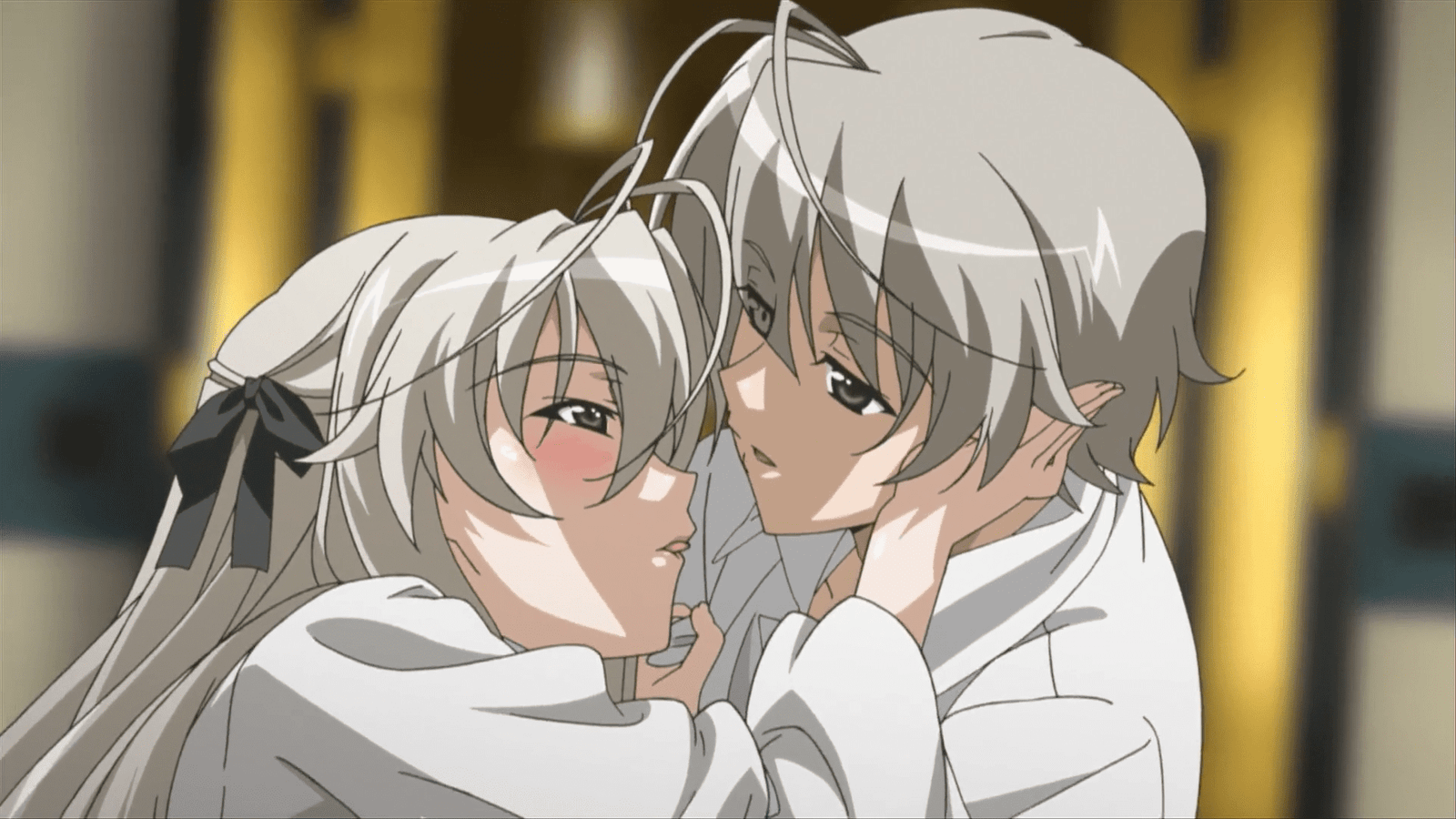
- Yosuga no Sora (2010) – The OG of “oh no, they didn’t.” Starts off like a calming emotional drama and suddenly drops the sibling romance bomb like it’s totally normal. It’s weird, tragic, and yeah… absolutely messed up.
- Monogatari Series (2009–2019) – An absolute artistic gold — killer dialogues, wild animation, and deep symbolism. But also, it’s packed with fanservice scenes that make you question what you’re watching. It’s clever, sure, but the way it sexualizes underage characters is not something you can just ignore.
- Oreimo (2010) – The “my little sister can’t be this cute” show. Spoiler: she can, apparently. It dances on that line between satire and WTF, and by the end, it’s like… bruh, we all saw where this was going.
- No Game No Life (2014) – Genius worldbuilding, fun sibling dynamic, but they really didn’t need to push the whole “innocent little sister but let’s make her fanservice bait” thing. It’s like someone handed a masterpiece a pair of red flags.
- Okaa-san Online (2019) – On paper, a fun isekai about adventuring with your mom. In practice? A weird mix of wish fulfillment and… borderline fetishization of motherhood. It’s like, “What if your mom was overpowered and kinda hot?” and yeah, forgot it, lets just stop here.
- Kiss x Sis (2010) – Yeah, this one doesn’t even try to hide it. Two stepsisters chasing after their brother, played off as comedy. It’s all jokes until you realize it’s normalizing something way too taboo.
- Domestic Girlfriend (2019) – Basically a soap opera gone rogue. A guy falls in love with his teacher, then finds out she’s his stepsister, ohh and also, he had sleep with his another stepsister. The drama’s juicy, but the moral compass? Showing all the wrong directions.
- Scum’s Wish (Kuzu no Honkai, 2017) – A deep dive into emotional emptiness and toxic love — and honestly, it hits hard. But the sheer level of sexual tension between teens makes it hard to watch without thinking, “Yeah, this is a bit much.”
- Redo of Healer (Kaifuku Jutsushi no Yarinaoshi, 2021) – Revenge fantasy? More like a sadists wet dream. It’s brutal, explicit, and disturbing for all the wrong reasons. The line between edgy storytelling and straight-up abuse got obliterated here.
- Netsuzou Trap (2017) – Meant to be a steamy yuri series, but it ends up being manipulative, toxic, and uncomfortable. It’s less about love and more about crossing emotional boundaries just for shock value.
Why We Need to Handle This Carefully
Here’s the truth: anime isn’t inherently bad. It’s art — and art often explores dark, strange, or forbidden ideas. But when such themes become normalized — when companies start to sell taboo as a trend — it stops being a creative exploration and starts becoming exploitation.
Younger viewers, especially teenagers still forming their moral compass, can start to take in these ideas in damaging ways. They might confuse fictional fetishization for normal affection, or mistake shock entertainment for depth.
It’s not about censorship. It’s about responsibility.
Writers, studios, and even fans should recognize when something crosses from “thought-provoking” to “ethically concerning.” We can’t enjoy edgy fiction without showing consideration to the harm it might cause if consumed without awareness.
Final Verdict
Modern anime walks a fine line between freedom of expression and moral responsibility. While taboo topics have always existed, their normalization through fan service and comedy has made the line between observation and glorification dangerously thin.
As fans, we don’t have to ban or silence these works — but we do have to talk about them honestly. Watch, discuss, critique — but don’t blindly normalize what’s meant to challenge societal values. Because if we don’t draw that line ourselves, the medium we love might slowly turn from storytelling… into fan-pleasing (and not the good kind of fans).
💭 What do you have to say about the argument above. Share your thoughts on the comments below.
Image credit feel.