Paprika (2006) – Review & Explained
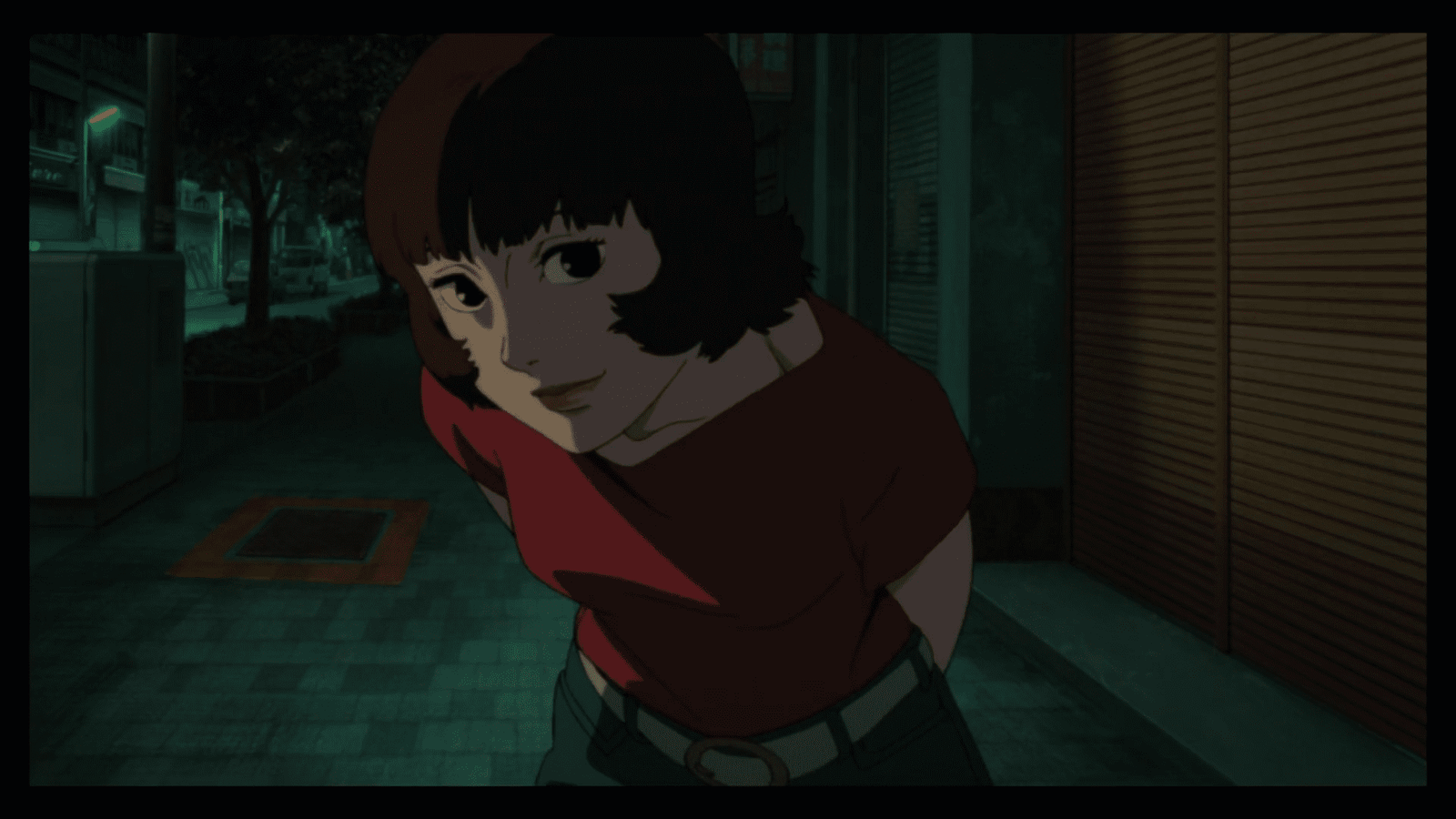
If you’ve ever wondered what it’d look like if Inception went off its meds, cranked the creativity dial to eleven, and decided to live inside a fever dream—welcome to Paprika. Directed by the late, legendary Satoshi Kon, Paprika isn’t just a movie you watch; it’s one you experience. It’s a spectrum of the human subconsciousness, an assault of colors, and a haunting reflection on technology, dreams, and identity—all wrapped in one surreal masterpiece.
Plot Overview
In the near future, scientists have developed a revolutionary device known as the DC Mini, a tool that allows therapists to dive directly into a patient’s dreams. Dr. Atsuko Chiba, one of the lead researchers, secretly uses the device under her alter ego “Paprika,” a lively dream persona who helps people explore and heal their subconscious minds.
But things start to get out of hand when the DC Mini is stolen, unleashing a wave of chaos that blurs the line between dreams and reality. As dreams begin to invade the waking world, Paprika and Chiba must uncover the culprit before the entire human consciousness collapses into one giant nightmare.
Untangling the Mind-Bending Stuff
Let’s be honest—Paprika is a wild trip. Even the most attentive viewers might get lost in its dream logic. Here’s a breakdown of a few of the more head-spinning layers:
- Dual Identity (Paprika vs. Chiba):
Chiba and Paprika aren’t just alter egos—they represent two halves of the same psyche. Chiba is the restrained, logical scientist, while Paprika embodies her freedom, empathy, and imagination. Their eventual merging at the film’s climax isn’t just plot—it’s metaphor. It’s Chiba reconciling her emotional and rational servers. - The Chairman’s Obsession:
The wheelchair-bound chairman’s hatred for dreams stems from his fear of losing control and purity to human desire. Yet ironically, he becomes consumed by those very dreams, turning into a god-like entity trying to dominate the dream world. It’s a critique of authority’s obsession with moral purity and control—how the repression of desire only leads to corruption. - Dreams as Data:
The DC Mini represents the digital age’s intrusion into the subconscious. Think of it as social media’s spiritual ancestor—the invasion of privacy not just of data, but of thought itself. The movie predicted the psychological chaos that comes with tech blurring the boundary between the personal and the public.
Why It’s Still Iconic
Even nearly two decades later, Paprika feels fresh—like a visual prophecy that came true.
- Satoshi Kon’s Direction: His seamless transitions between dreams and reality are unmatched. Every cut, every motion feels deliberate—he manipulates perception with surgical precision.
- Influence on Cinema: Christopher Nolan’s Inception openly owes its concept and visual language to Paprika. But while Inception explains its rules, Paprika lets you drown in them—and that’s its charm.
- The Visuals: Every frame bursts with imagination. The parade sequence? Still one of the most hypnotic, unsettling, and unforgettable scenes in animation history.
- Yasutaka Tsutsui’s Source Material & Hirasawa’s Score: The surreal soundscape—especially “Parade”—makes the dream world feel alive, like an organism that’s both beautiful and terrifying.
Final Verdict
Paprika isn’t for the casual viewer who just wants a neat ending—it’s for those who don’t mind getting lost, questioning what’s real, and still not being sure by the end. It’s philosophy wrapped in madness, psychology dressed in carnival colors, and storytelling at its most fearless.
Rating: 9.5/10
A timeless descent into the subconscious—a film that doesn’t just show dreams, it becomes one.
Image credit Madhouse