
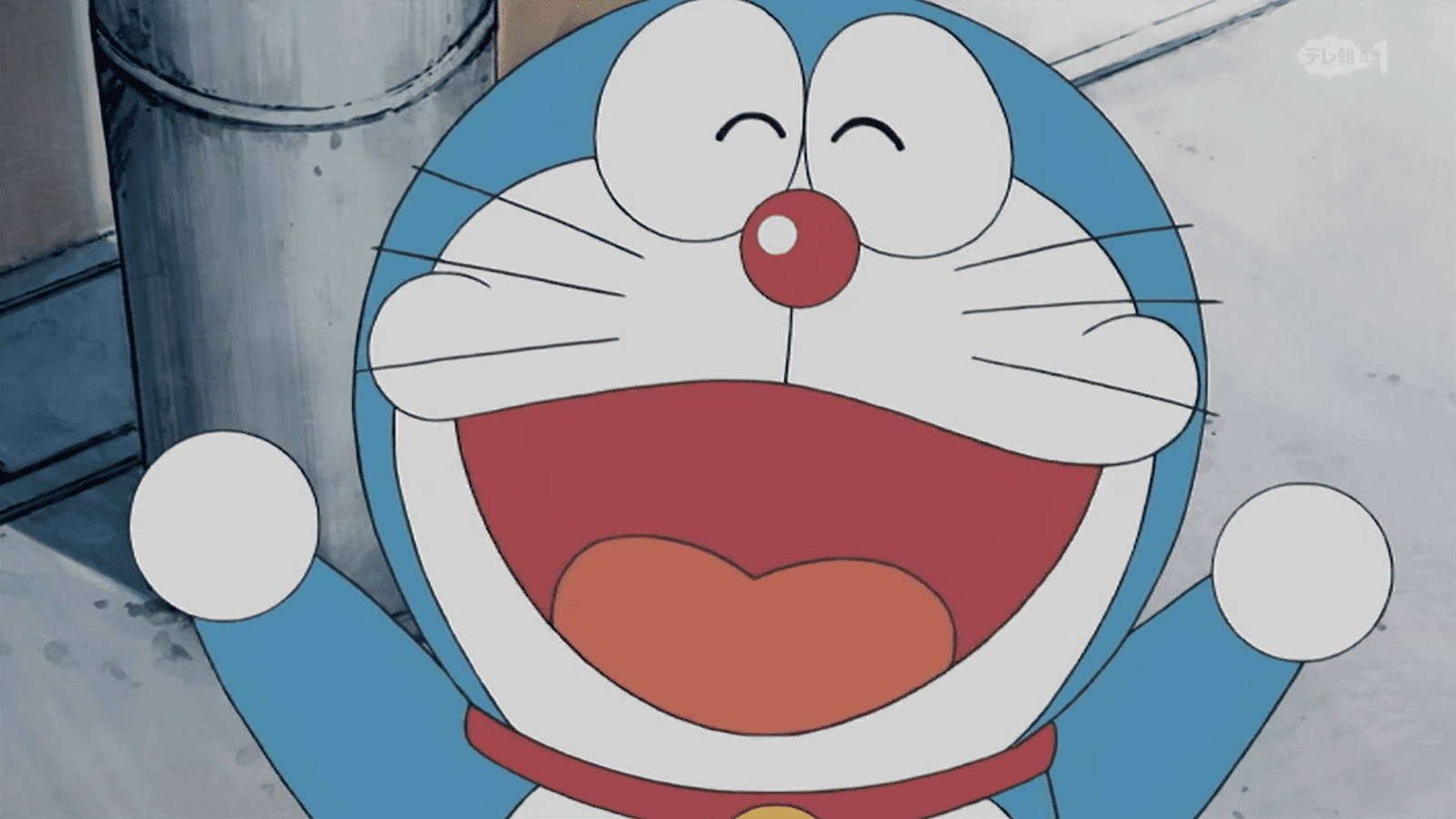
Why Children-Specific or “Comfort” Anime Like Doraemon, Ninja Hattori, and Per-Man Aren’t Made Anymore
If you grew up in the early or late 2000s, chances are you remember settling in front of the TV to watch Doraemon’s gadgets, Ninja Hattori’s ninja misadventures, or Per-Man’s heroics. These shows weren’t just entertainment—they were comforting, safe, and designed to teach moral lessons gently. So why is it that in 2025, such anime seem to have almost vanished? Here’s a closer look.
1. Shift in Audience Preferences
Modern kids don’t watch TV like previous generations. Streaming platforms like YouTube, Netflix, and Disney+ mean children have instant access to international content, including fast-paced Western cartoons, TikTok-style shorts, and video games. The slow, episodic, moral-focused storytelling of classic Japanese comfort anime often feels too “gentle” or “boring” to modern young viewers.
2. Economic Considerations for Studios
Producing long-running, simple, slice-of-life anime is expensive. Classic shows like Doraemon relied on daily broadcasting schedules and huge merchandising deals. Today, studios prioritize content with global appeal, action-heavy plots, or franchises that can be monetized through toys, video games, and streaming rights. A calm, morality-focused show about a cat-robot or a ninja kid doesn’t always promise the same return on investment.
3. Cultural and Generational Shifts
Shows like Ninja Hattori and Per-Man were very much products of their time: they emphasized discipline, friendship, and local societal norms. Modern children’s media often reflects modern issues such as technology addiction, diversity, social media, and mental health. Older comfort anime might feel outdated or disconnected from today’s cultural realities.
4. Changes in Storytelling Style
Comfort anime typically relied on episodic stories with little overarching plot. Today, both children and adults lean toward serialized narratives with continuous storylines and character development (My Hero Academia, Spy x Family, etc.). The slow, episodic, “safe” formula doesn’t generate the same viewer engagement or hype.
5. Competition From Global Media
Japanese comfort anime used to dominate local children’s TV. Now, they compete with global franchises like Pokémon, PAW Patrol, and Peppa Pig. These shows are often more colorful, interactive, and aligned with current media trends.
6. Nostalgia Is Hard to Replace
While the charm of Doraemon and Per-Man is timeless, nostalgia can’t drive new production on its own. Older audiences love revisiting them, but studios need new viewers to justify production. Unfortunately, today’s children often prefer content that moves faster, looks flashier, and integrates modern humor and technology.
In short: Children-specific or comfort anime aren’t “gone” forever, but the market has shifted. Studios are chasing global trends, streaming platforms favor fast-paced, visually stimulating content, and cultural tastes have evolved. Shows like Doraemon and Ninja Hattori now exist more as nostalgia pillars than as active staples of children’s entertainment.
Ironically, though, the digital age might also give them a second life—remakes, streaming re-releases, or AI-assisted revivals could bring “comfort anime” back in ways that today’s kids can connect with.
Image credit Shin-Ei Animation