Why Does Some Mid Ecchi Anime Get Gorgeous Animation While The Big-hyped Ones Sometimes Look Like Garbage-tier Frames
Ok, Think of two food gigs:
- A small cafe wants the perfect Instagram sundae: one spectacular, photogenic dish with glossy syrup, slow-motion cream, and a single shot that’ll go viral. They pour time, a showy pastry chef, and the best garnishes into that one thing because it directly drives likes, attention, and dessert-sales.
- A gigantic wedding has a hundred dishes, a strict deadline, dozens of cooks, and guests who expect everything to be served at once. Even with a bigger overall budget, coordinating all the moving parts — multiple chefs, timing, reheating, plating — means corners get cut, some dishes are rushed, and the experience ends up uneven.
Mediocre ecchi anime are like that sundae: a small set of sexy, eye-catching scenes that producers know will be screen-capped, clipped, and used to sell Blu-rays, special editions, and merch — so they concentrate top-tier animation talent and budget on those moments. Huge, hyped adaptations are the wedding banquet: many complex scenes, big expectations, tight TV schedules and committees juggling marketing, which often spreads resources thin and exposes production problems.
Why that actually happens
- Focused, “sellable” moments get the love
Ecchi shows often have a handful of scenes that literally sell the show (cover art, Blu-ray extras, clips for social media). Production committees will funnel key animators and extra time to those sequences so they look amazing. Example: ecchi-heavy shows like High School DxD and Highschool of the Dead ended up with lots of polished key-animation and memorable, polished character art that got fans hyped and bought discs. - Production committees prioritize marketability over even quality
The committee system means many stakeholders (publishers, merch people, TV networks, streaming) decide priorities. If a specific kind of shot or episode will push disc/figure preorders, that’s where money and attention go — not necessarily into making every episode consistently great. Academic and industry analyses describe this dispersal of control and its effect on quality. - Time and schedule > money in practice
Anime quality often collapses because of brutal schedules and last-minute crunch — not simply lack of money. Even well-funded projects can tank animation-wise if the timetable is impossible or staff are overstretched. This is a common theme in write-ups about modern anime production problems. - Outsourcing and lots of moving parts dilute quality
Big shows usually distribute in-between work and cleanup across multiple studios (sometimes overseas). That lets you meet broadcast deadlines and a high episode count, but consistency suffers and the “suddenly bad” episodes show the seams. Small ecchi shows can instead concentrate key animators in-house (or buy a few standout shots from skilled freelancers) and hide the rest. - Directorial/animation talent placement matters
If a celebrated key animator or director is assigned to an episode (or to the “ecchi shots”), those scenes pop. Hype projects sometimes rotate directors, change studios, or stretch key staff across multiple shows — which means no single person can keep the whole season tight. The Wonder Egg Priority case is a clear example: highly praised early episodes, then a crash tied to production limits and staffing.
Why It Feels Worse For The Hyped Shows
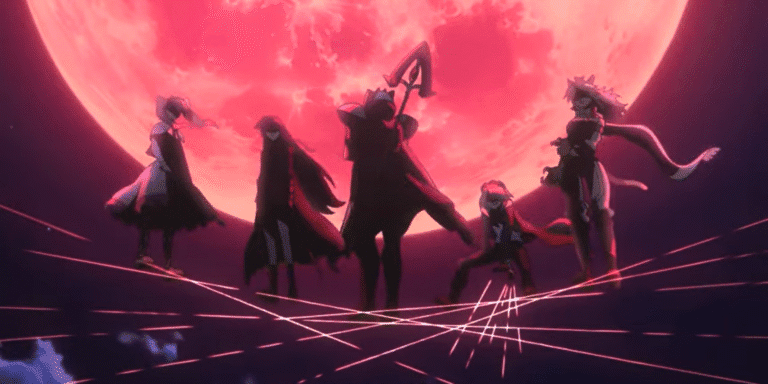
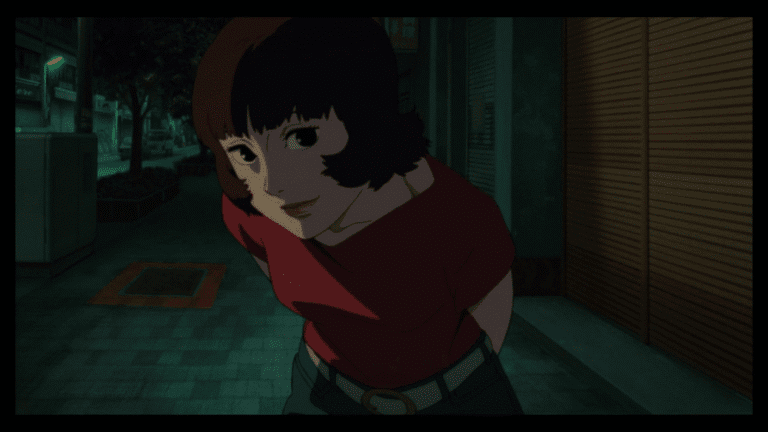
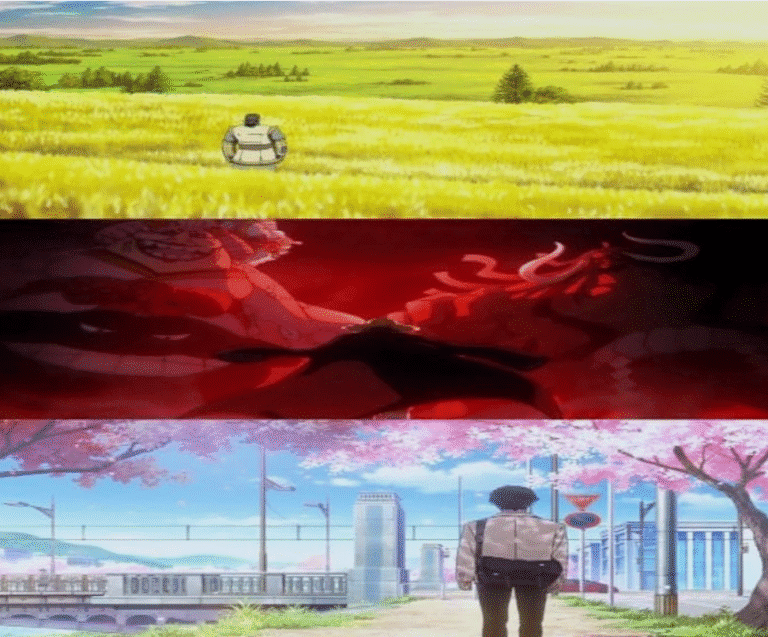
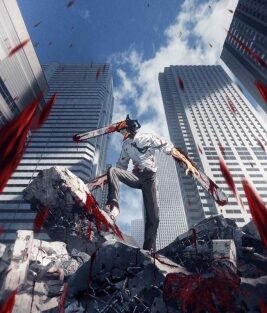
When a show is hyped, expectations are sky-high and fans are watching every frame. Inconsistency stands out more. With ecchi shows, audiences often expect polished character art in those specific scenes and are willing to forgive static storytelling elsewhere. So perception + targeted quality allocation = ecchi looks great, hype shows disappoint.
Short checklist for producers (if anyone reading this actually wanted to fix it)
- Build realistic schedules (split-cour if needed).
- Protect key animators from being spread across multiple projects.
- Use merchandising/bd revenue forecasts to fund a fair baseline of quality across all episodes, not just the “hero” shots.
In the end, it all boils down to this: ecchi shows polish a few flashy moments to perfection, while big hype titles spread themselves thin and crack under pressure. Sometimes the simplest, thirstiest projects get the prettiest animation, and the giants stumble under their own expectations. Funny how the industry works, but that’s the anime ecosystem we live in.
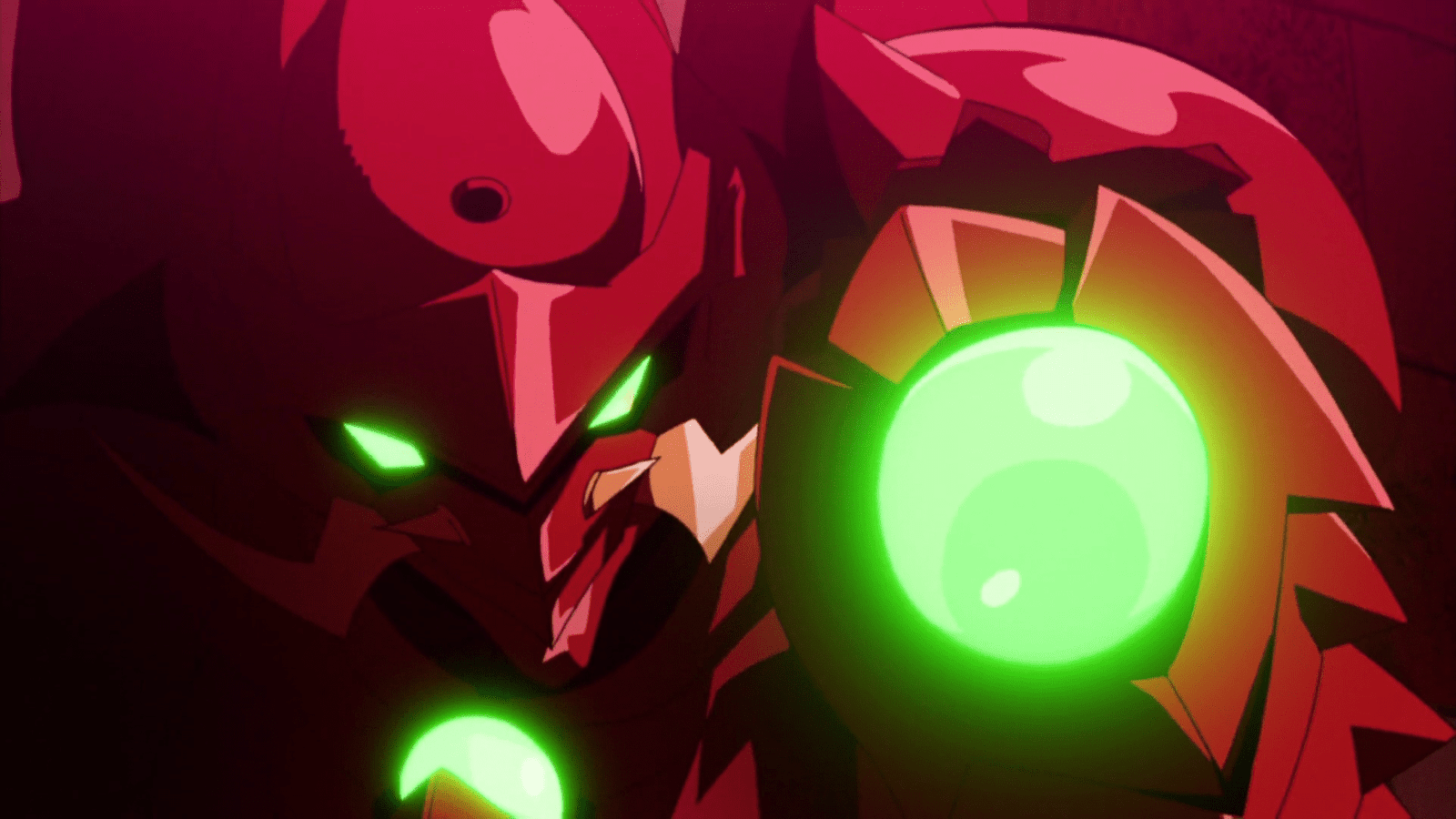
Image credit TNK