My Hero Academia Is Finally Ending – You Won’t Believe How It Took Over the World!
After more than ten years of punches, tears, and way too many dramatic speeches mid-fight, My Hero Academia is officially coming to an end. Kohei Horikoshi’s superhero saga, which began serialization in Weekly Shonen Jump in 2014 (published by Shueisha), is wrapping up its story and leaving behind one of the biggest legacies in modern anime history. And yes, fandoms worldwide are collectively saying, “Plus Ultra… but emotionally.”
At its core, My Hero Academia starts with a simple idea: what if superheroes were normal, and the powerless kid had to survive anyway? Izuku Midoriya begins life without a Quirk in a world where almost everyone has one. That premise hooked readers instantly because it felt relatable, even with exploding villains involved.

The manga’s popularity grew fast. According to Shueisha, the series has sold over 85 million copies worldwide, placing it among the best-selling manga of all time. That kind of number doesn’t happen by accident. It happens when characters feel human, flawed, and occasionally bad at decision-making—just like us.
Bones Studio adapted the anime in 2016, and that’s when things truly exploded. High-quality animation, strong voice acting, and memorable soundtracks helped My Hero Academia dominate platforms like Crunchyroll and Funimation. It regularly ranked among the most-watched anime globally, especially during peak seasons.
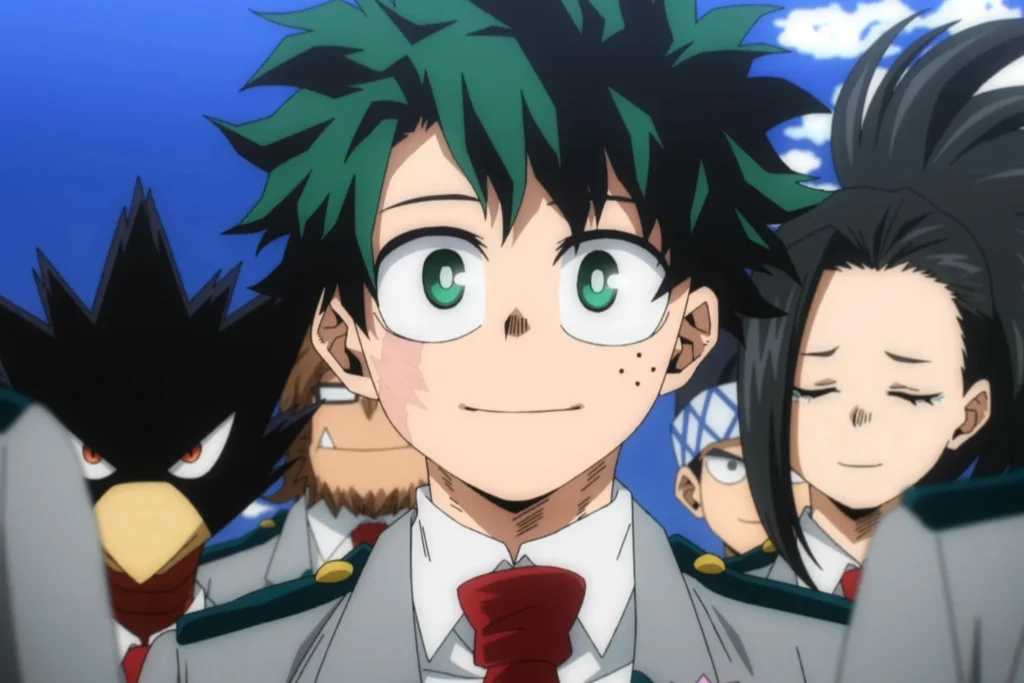
Unlike many long-running anime, the show kept its pacing tight. Arcs like the Sports Festival, Hero Killer Stain, and Paranormal Liberation War pushed character growth without dragging viewers through endless filler. That balance earned trust from fans and from search algorithms that love consistent engagement.
People stayed for the characters. Midoriya’s growth, Bakugo’s explosive personality (literally), and All Might’s fading strength gave emotional weight to the story. Horikoshi didn’t treat heroes as perfect icons. He showed burnout, fear, and moral conflict.
That approach reflected real-world themes like power imbalance, responsibility, and societal pressure. Critics and fans often praised the series for tackling these ideas without losing its shonen energy.
As My Hero Academia ends, it joins a rare group of long-running anime that concluded on the creator’s terms. Horikoshi publicly stated his desire to finish the story properly, rather than stretch it endlessly. That decision builds trust with readers and with the industry. The series didn’t just entertain. It shaped a generation of anime fans, inspired cosplay armies, and proved that superhero stories could thrive outside Western comics.
The final chapter may close the book, but My Hero Academia’s impact? That’s staying Plus Ultra forever.
Image Credit Bones Studio.