Are Shounen Anime becoming more mature — and why.
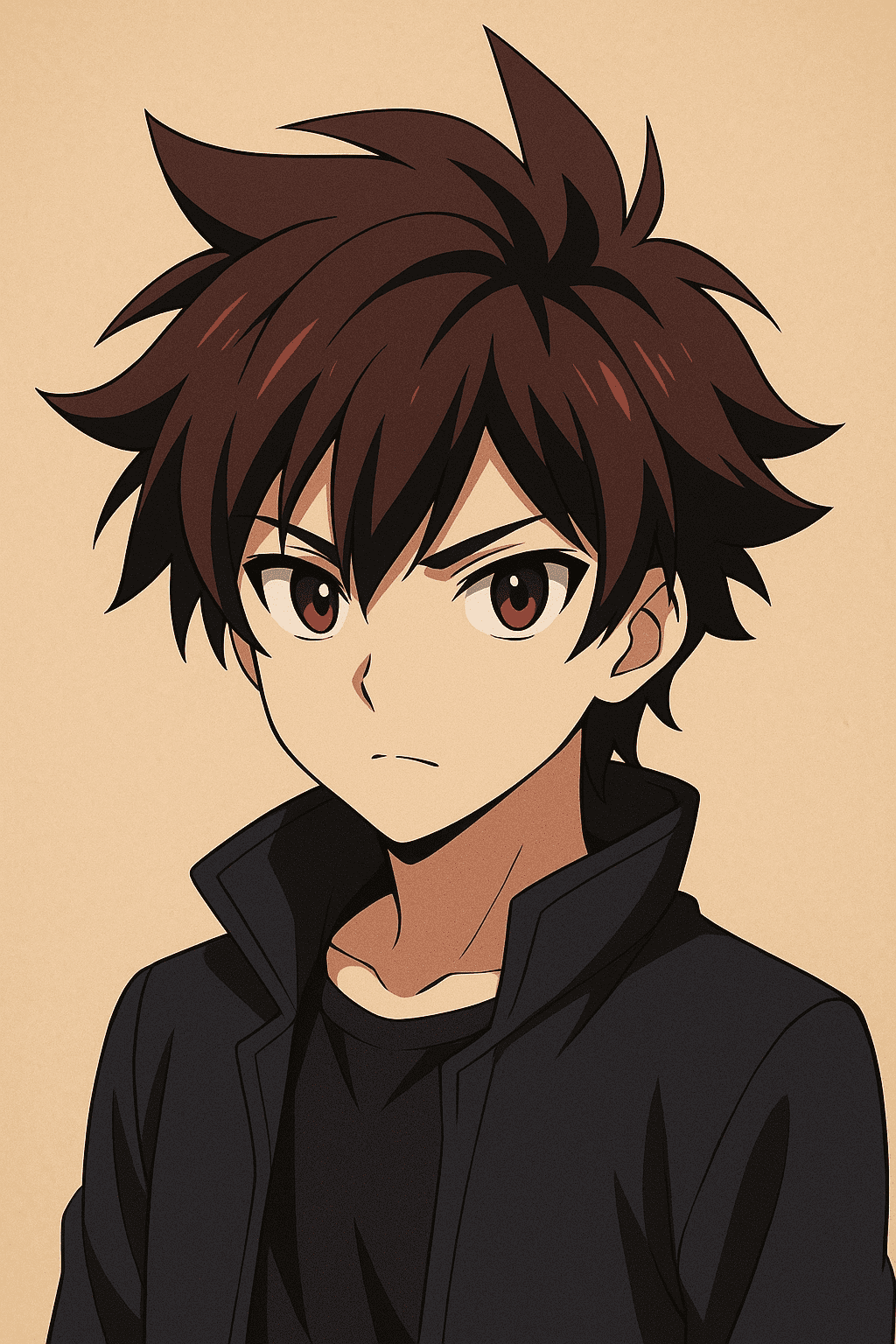
You ever notice how shounen anime don’t really feel the same anymore? Like, back in the day it was all about training arcs, friendship speeches, and screaming your way to victory. (Looking at you, Goku and Naruto.) But nowadays? Characters are crying, questioning morality, dying in episode 3, and having existential crises before breakfast. Shows like Attack on Titan, Jujutsu Kaisen, and Chainsaw Man are hitting way deeper than the old “believe it!” energy.
It kinda makes you wonder — did shounen just… grow up with us? Or did the whole genre take a dark, edgy turn on purpose? Whatever the case, it’s clear that modern shounen anime are getting more mature — not just in how they look, but in what they say about the world, pain, and being human. Let’s break down why that shift happened and what’s really driving it.
Thesis:
Yes — modern shounen anime are becoming more mature, both in narrative themes and character psychology.
This shift reflects cultural changes in the audience, industry, and storytelling trends.
Point 1: Audience Aging & the “Generational Shift”
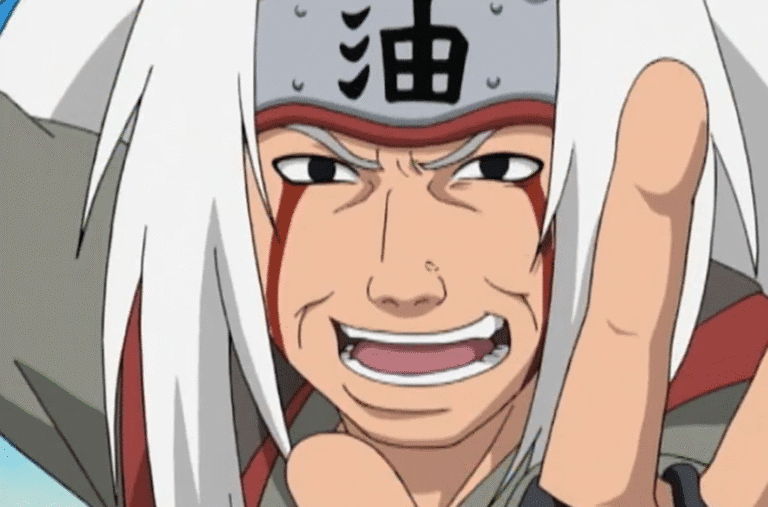
- The original shounen fanbase from the 90s and 2000s (think Naruto, Bleach, DBZ) has grown up — and the industry followed them.
- Studios know many viewers are now in their 20s and 30s, craving more emotional depth and moral complexity.
- So modern shounen (Jujutsu Kaisen, Attack on Titan, Chainsaw Man, Demon Slayer, My Hero Academia) blend explosive action with trauma, mortality, social systems, and existential dread — stuff that hits older audiences too.
- In short: same demographic label, but the “boys” in “shounen” aren’t literal boys anymore.
Point 2: Shift in Storytelling Philosophy
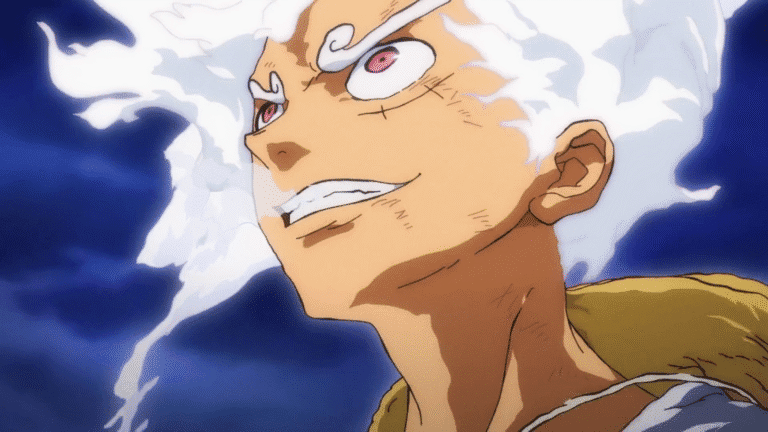
- Classic shounen: “Hard work, friendship, victory.” (Naruto, One Piece, Yu Yu Hakusho)
- Modern shounen: “Morality is gray, trauma shapes identity, victory comes with a cost.”
Examples:- Jujutsu Kaisen questions the ethics of killing curses vs. saving souls.
- Attack on Titan flips the hero-villain binary entirely.
- Chainsaw Man explores alienation, manipulation, and nihilism under the guise of a “monster hunter” story.
- Writers are more cinematic, influenced by seinen and Western media (think Breaking Bad, Game of Thrones).
Point 3: Societal & Cultural Influence
- Japan’s post-2010s youth culture faces burnout, isolation, and anxiety — and it bleeds into its fiction.
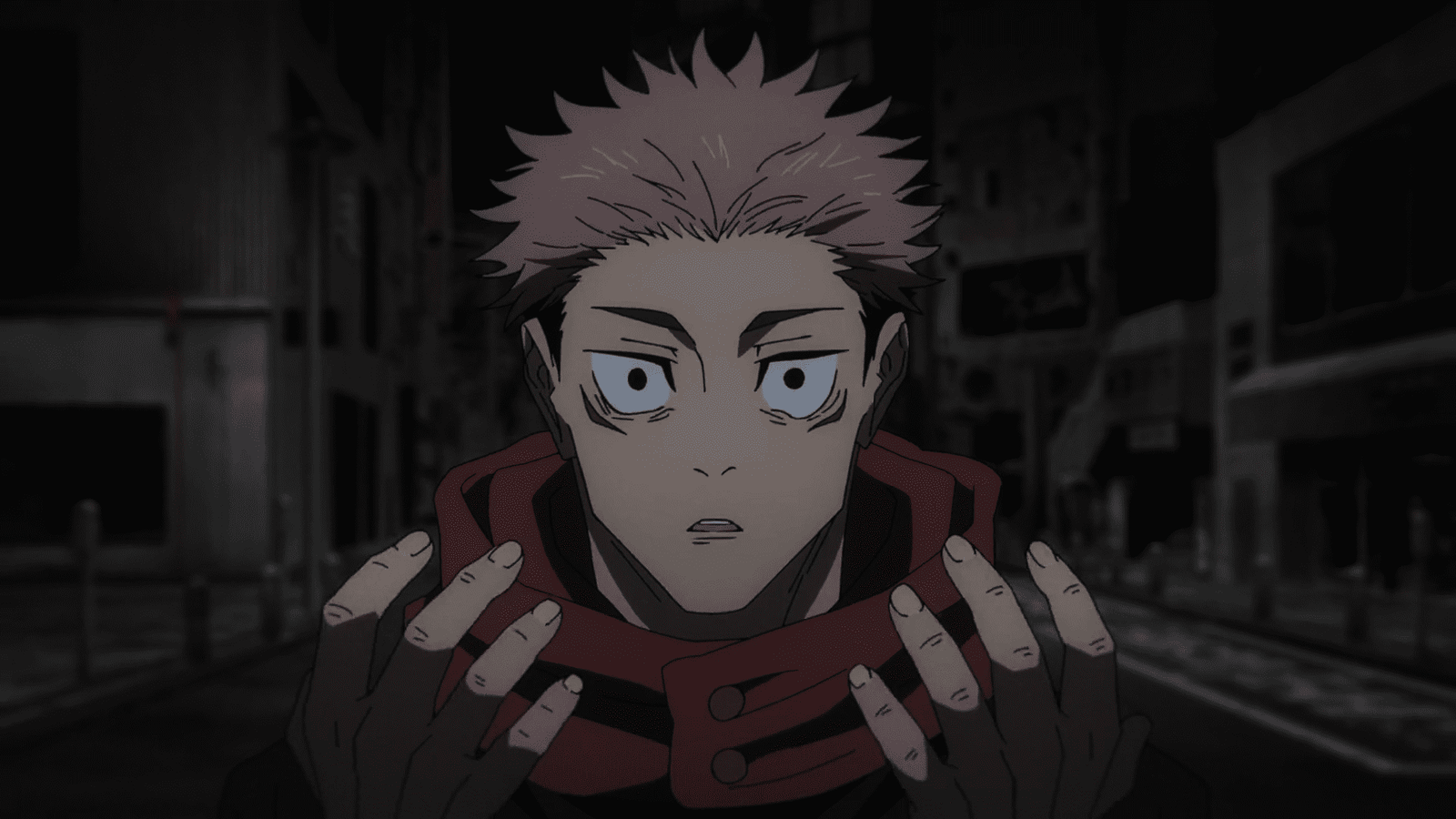
- Protagonists aren’t idealized heroes anymore; they’re broken, uncertain, traumatized (Itadori, Denji, Eren).
- The stories reflect modern Japanese fears: societal pressure, institutional failure, and the blurred line between right and wrong.
- In other words, the genre is maturing because its culture is.
Point 4: Industry and Globalization
- Streaming platforms (Crunchyroll, Netflix, etc.) made anime global, and studios now write with international resonance in mind.
- Western audiences love darker, complex storytelling — so shounen evolved to stay competitive.
- The animation industry itself also got more daring with experimental tone and pacing (Hell’s Paradise, MAPPA productions).
- Shounen is now half commercial blockbuster, half psychological drama.
Counterpoint (for balance)
- Not all shounen have matured — Black Clover, Boruto, One Piece still carry traditional optimism and formulaic beats.
- But even these occasionally dip into emotional realism, proving the shift is genre-wide, not absolute.
Conclusion:
Shounen anime are evolving from power-of-friendship escapism to emotional and moral realism.
The cause?
➡️ Aging audience
➡️ Cultural unease
➡️ Western influence
➡️ Industry ambition
Result: Modern shounen are no longer just about who punches hardest — they’re about what it costs to keep punching.
💭 Do you agree that Shounen Anime are becoming more mature or— not? Let us know through the comments below.
Image credit MAPPA