Who Was The OG Emo Deuteragonist
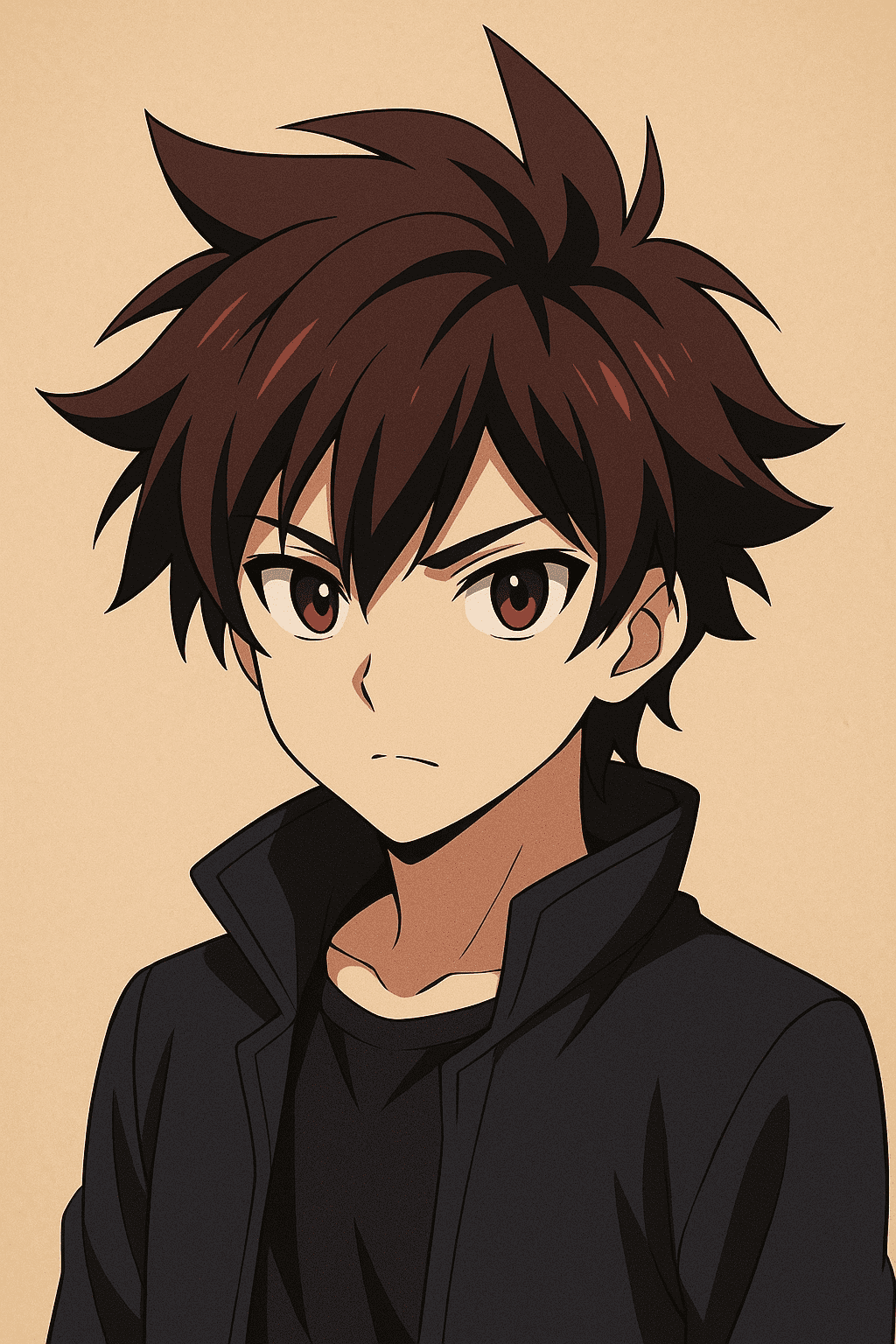
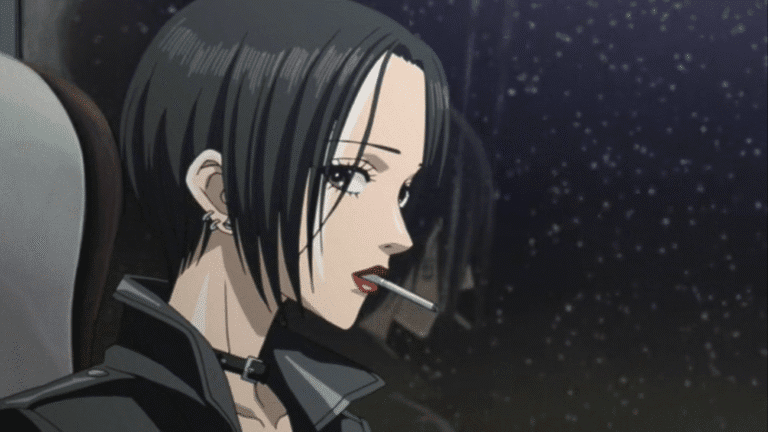
Have you ever wondered why it is almost mandatory that almost in every shounen anime there needs to be a brooding emo dark-haired deuteragonist in contrast to its optimistic, cinnamon-roll protagonist . If you have, dive into the mysterious origins of this “emo deuteragonist” archetype—the brooding, morally complex second-fiddle who simultaneously fuels conflict, grows alongside the protagonist, and pulls all the angst strings. These are the types that inspire characters like Sasuke (Naruto), Uryū (Bleach) to Yuno (Black Clover), Megumi Fushiguro (Jujutsu Kaisen), and Aki Hayakawa (Chainsaw Man). Who was the OG of this emo squad? Let’s unpack it.
The Anatomy of the Emo-Deuteragonist
Before tracing origins, it’s important to define the archetype:
- Brooding Persona: Usually quiet, introverted, and carrying emotional baggage.
- Tragic/Complicated Past: Often an origin story steeped in loss, trauma, or moral conflict.
- Foil to the Protagonist: They contrast the hero, sometimes antagonistically, sometimes as reluctant allies.
- Redemption Arc or Rivalry: Their journey often involves growth, redemption, or eventual reconciliation.
Characters like Sasuke or Uryū hit all these notes, but where did it start?
The Contenders for the OG Emo-Deuteragonist
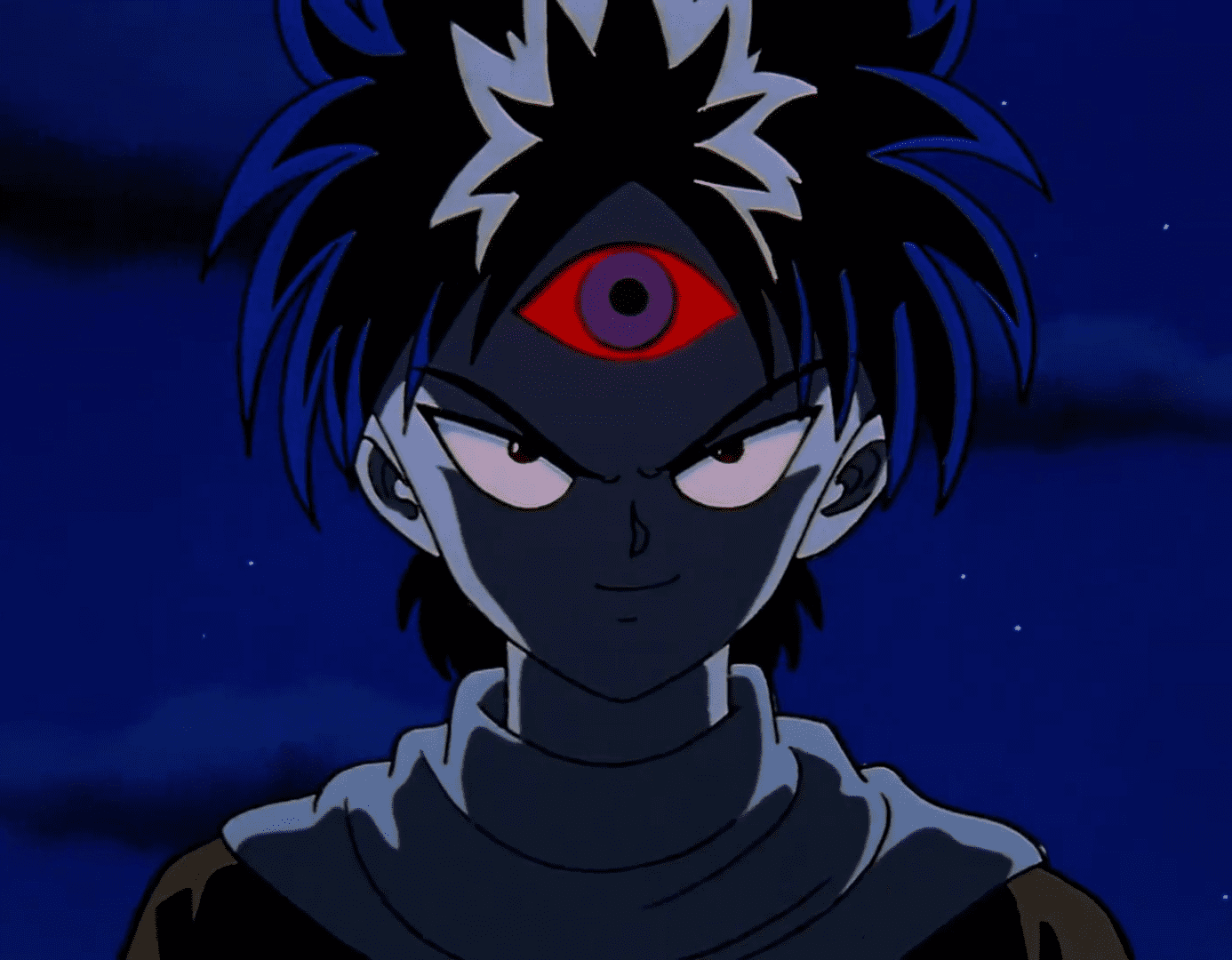
- Hiei (Yu Yu Hakusho, 1990s)
- Hiei is a classic secondary character who’s cold, deadly, and morally ambiguous. He has a traumatic past, a chip on his shoulder, and occasionally clashes with Yusuke while being indispensable to the team.
- Why influential: Hiei is a clear template for the modern “emo rival”: brooding, skilled, emotionally restrained, and occasionally darkly humorous. You can see echoes of him in Sasuke, Uryū, Megumi, and even Aki’s reserved intensity.
- Kenshin Himura (Rurouni Kenshin, 1994 manga)
- While Kenshin is the protagonist, certain arcs like his time with Saito Hajime introduce the “brooding foil” archetype. Saito is the moral yet stoic rival, carrying his own heavy code and past trauma.
- Why influential: Saito’s quiet, deadly aura and conflicted morality became a blueprint for “cool, distant rivals” who aren’t villains but carry heavy emotional weight.
- Vegeta (Dragon Ball Z, 1989 onward)
- Vegeta isn’t exactly shy, but early DBZ arcs show him as a prideful, morally ambiguous foil to Goku. He’s obsessed with power, carries deep shame and trauma (as the Saiyan prince), and evolves gradually.
- Why influential: While not traditionally “emo,” Vegeta’s rivalry-to-redemption arc laid the groundwork for emotionally complex secondary characters who aren’t purely villains.
The Strongest Candidate: Hiei from Yu Yu Hakusho
Looking at the timing and impact, Hiei emerges as the most direct predecessor to the emo-deuteragonist archetype.
- He debuted in the early 1990s, well before Sasuke (1999), Uryū (2001), Yuno (2016), Megumi (2018), and Aki (2018).
- Hiei embodies brooding intensity, loyalty with limits, tragic backstory, and morally gray decisions.
- The trope of the quiet, powerful, and tortured second-in-command became studio shorthand for a character who is both compelling and relatable without stealing the spotlight.
Final Verdict:
While earlier anime had brooding characters (Vegeta, Saito), the modern emo-deuteragonist as we know it likely crystallized with Hiei. He’s the one who inspired later generations of writers to craft tragic, cool, emotionally layered foils that walk the line between friend and rival. Without Hiei, you might not have had the likes of Sasuke brooding under a tree, Uryū flipping his Quincy quill, or Aki quietly carrying the weight of his team’s tragedies.
In essence, Hiei’s archetype gave writers a ready-made template for the emo secondary: emotionally compelling, conflicted, and morally nuanced.
Image credit Studio Pierrot